Websites · Branding & Design
A beautiful site nobody finds is an expensive business card.
We build sites to be found on Google and understood in five seconds. Twenty years of brand and interface work behind them.
Four things have to go right, and most sites only do two.
Someone has to find you, work out what you do, decide you are real, and
then have an obvious way to get in touch. Break any one of the four and
the other three stop counting.
Most sites we are asked to look at are handsome and invisible. A few are findable and confusing. Both are the same problem with different symptoms.
Most sites we are asked to look at are handsome and invisible. A few are findable and confusing. Both are the same problem with different symptoms.
None of this is a trick. It is a fast site, written in the words your
customers actually search for, that says plainly what you do and where
you do it.
The design work is what makes someone believe it once they are there. That part we have been doing since 2004.
The design work is what makes someone believe it once they are there. That part we have been doing since 2004.
Where people fall out
Four steps between a search and a phone call, and what loses people at each one.
What we do
Findable and good-looking are not alternatives.
Pages built to be found
Fast, readable by a crawler, structured so Google can tell what each page
is for, and written in the words your customers type rather than the words
your industry uses internally.
Local search that works
For a business in Asunción, most of the traffic worth having is somebody
nearby searching in Spanish. That means the right language, the right listings,
and a page per thing you sell.
Brand and identity
Logo, colour, typography and the rules for using them, so the twentieth
thing you produce still looks like it came from the same company as the
first.
Interfaces for real software
The screens your staff or customers use every day. Different discipline
from a marketing site: here the measure is how fast somebody gets through
a task on the four hundredth attempt.
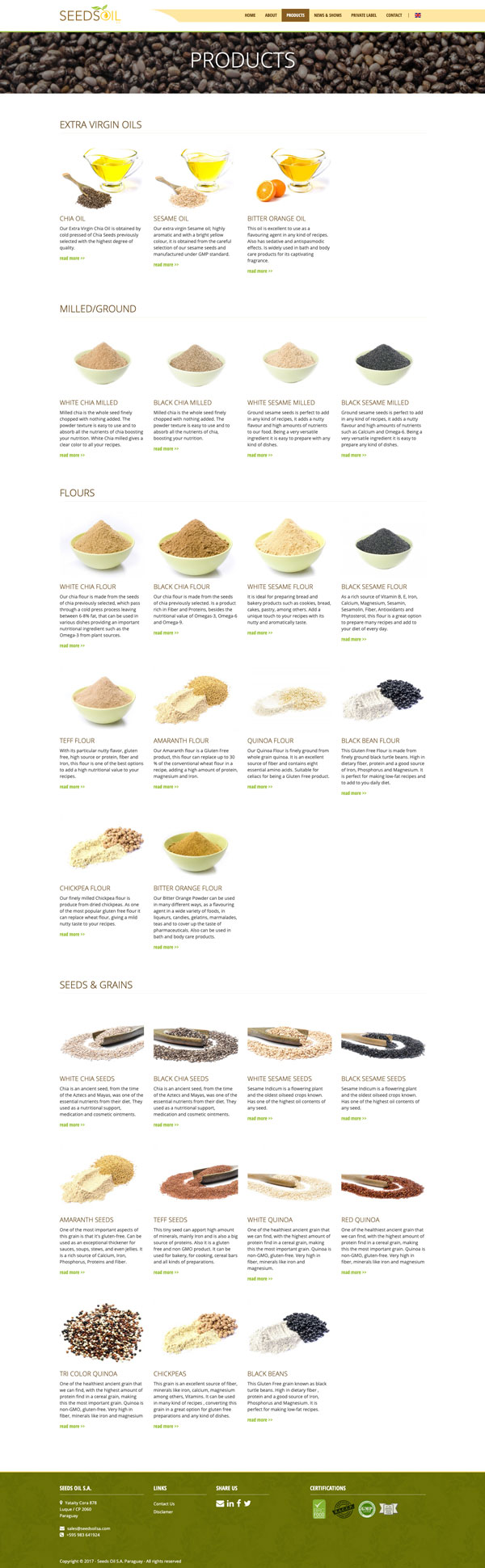
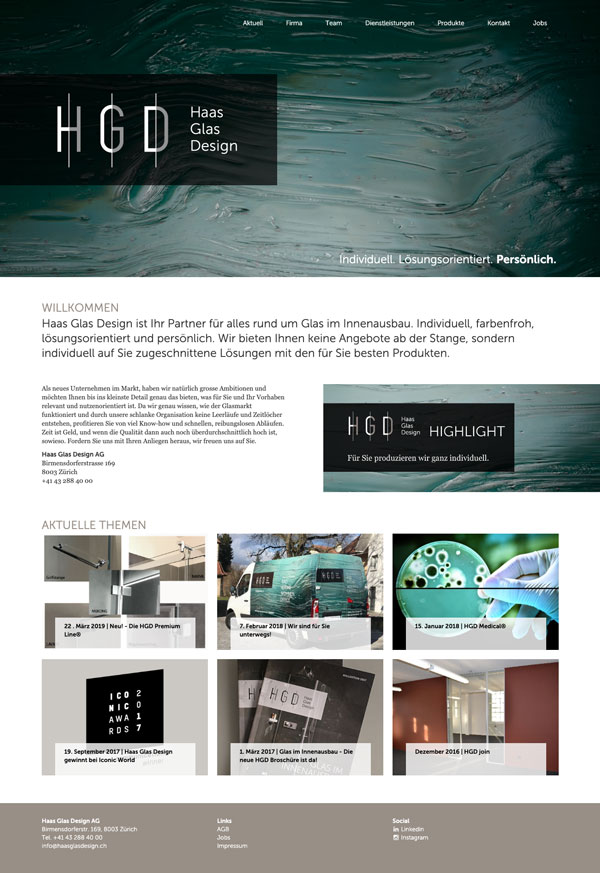
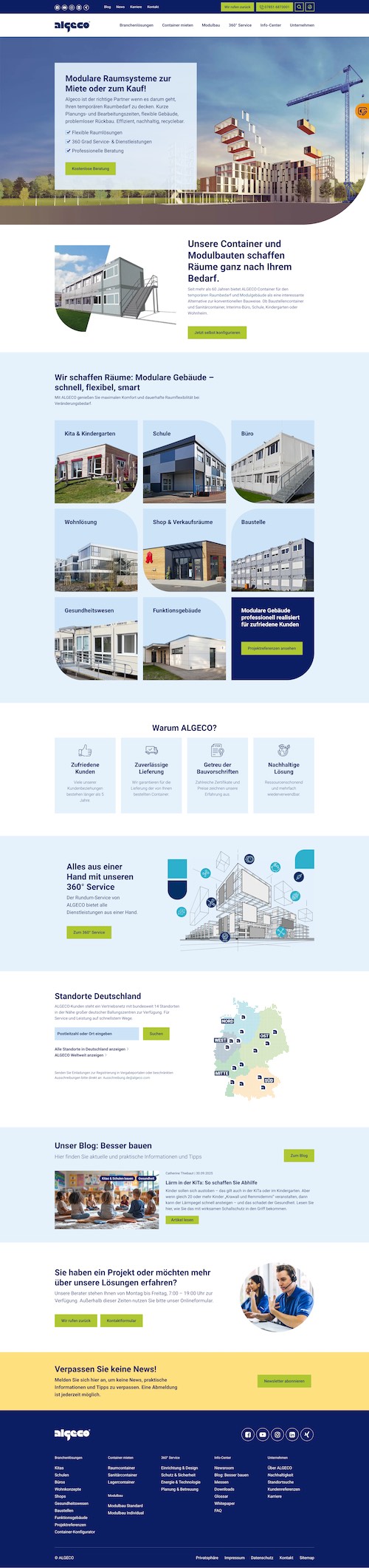
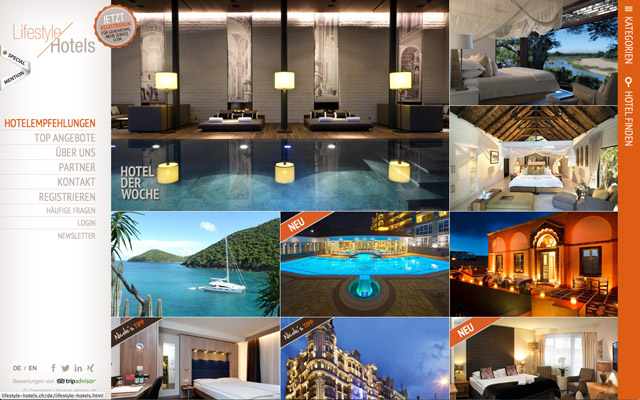
Selected work
Two decades of websites, platforms and brands.
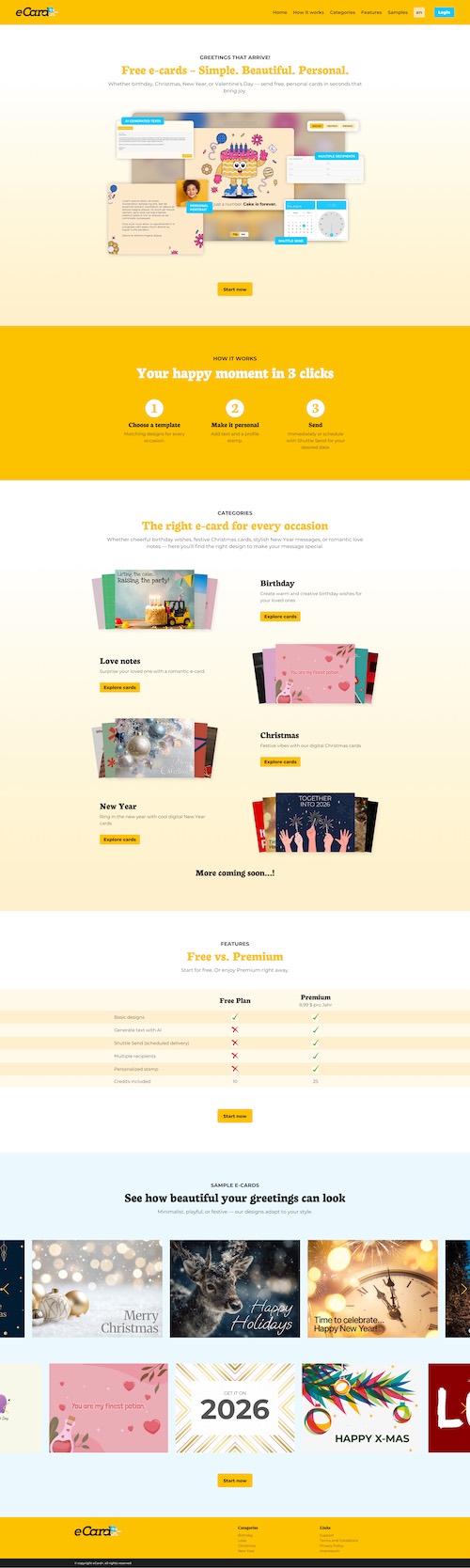
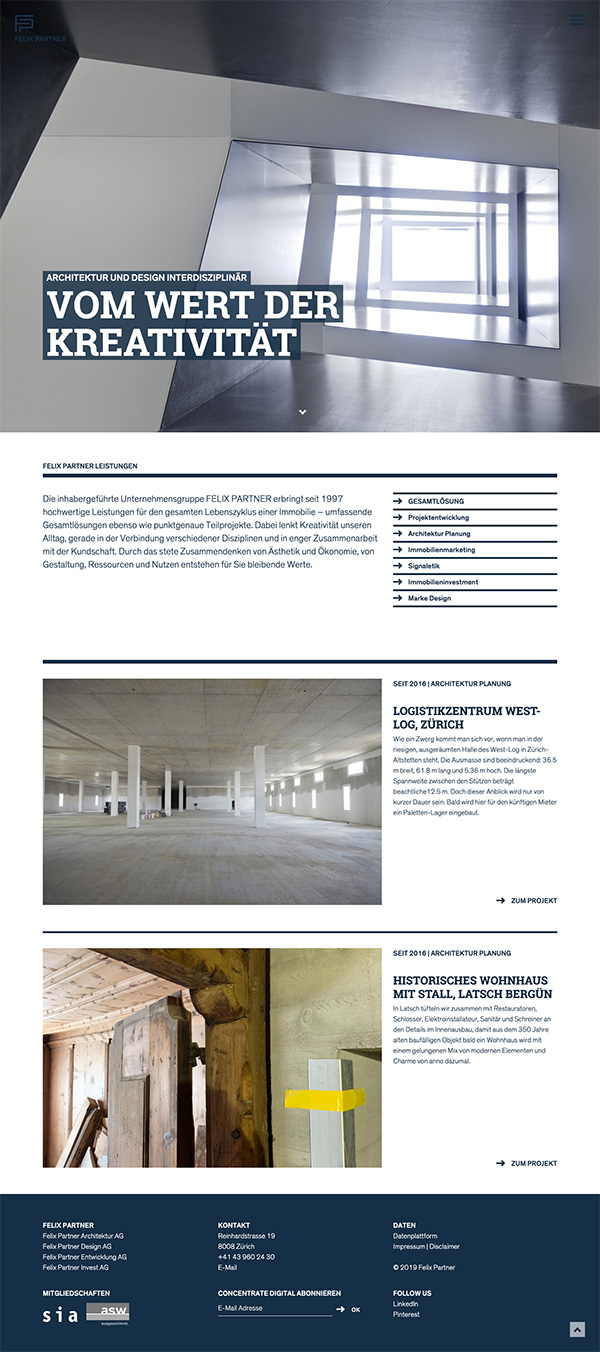
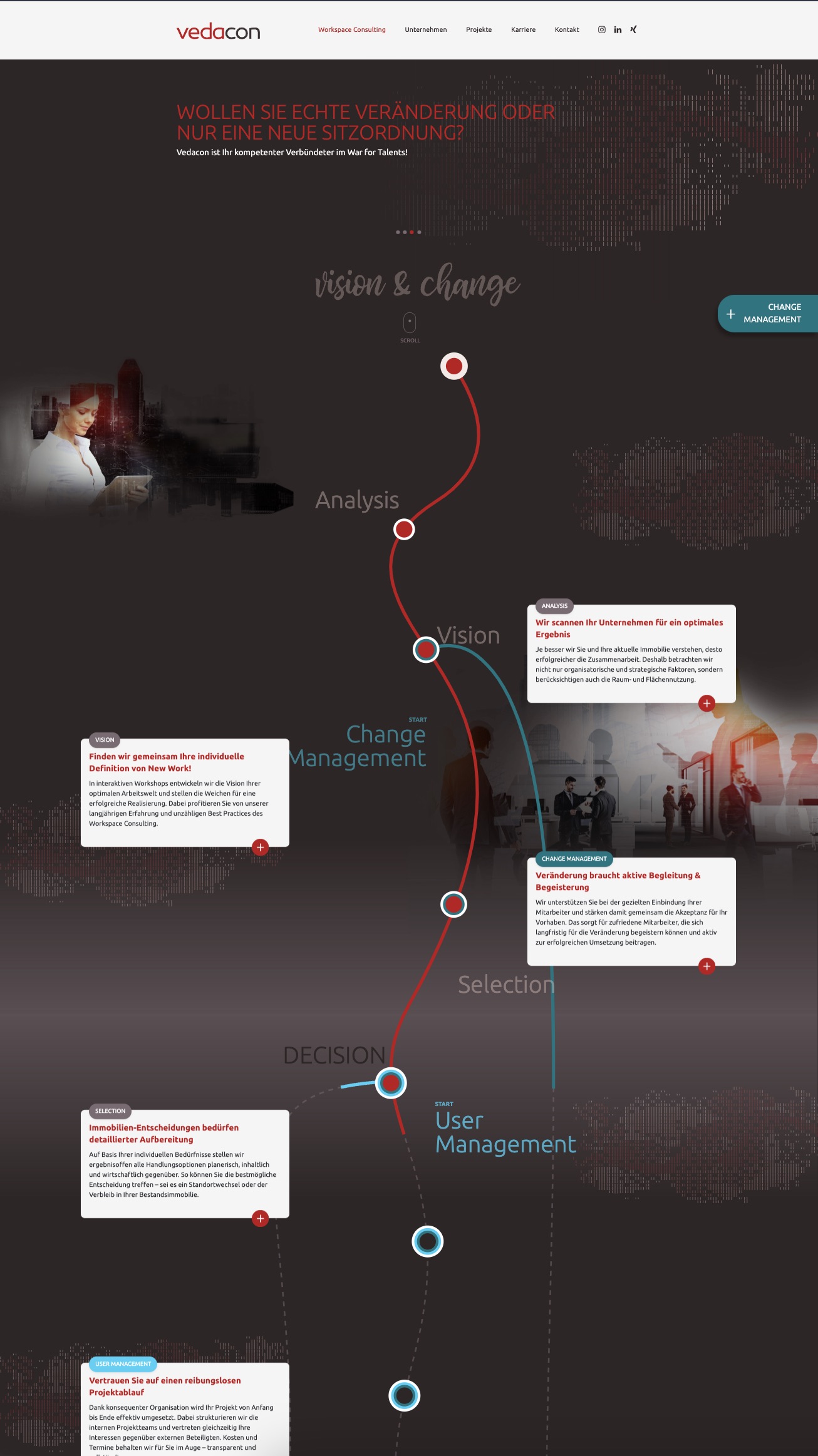
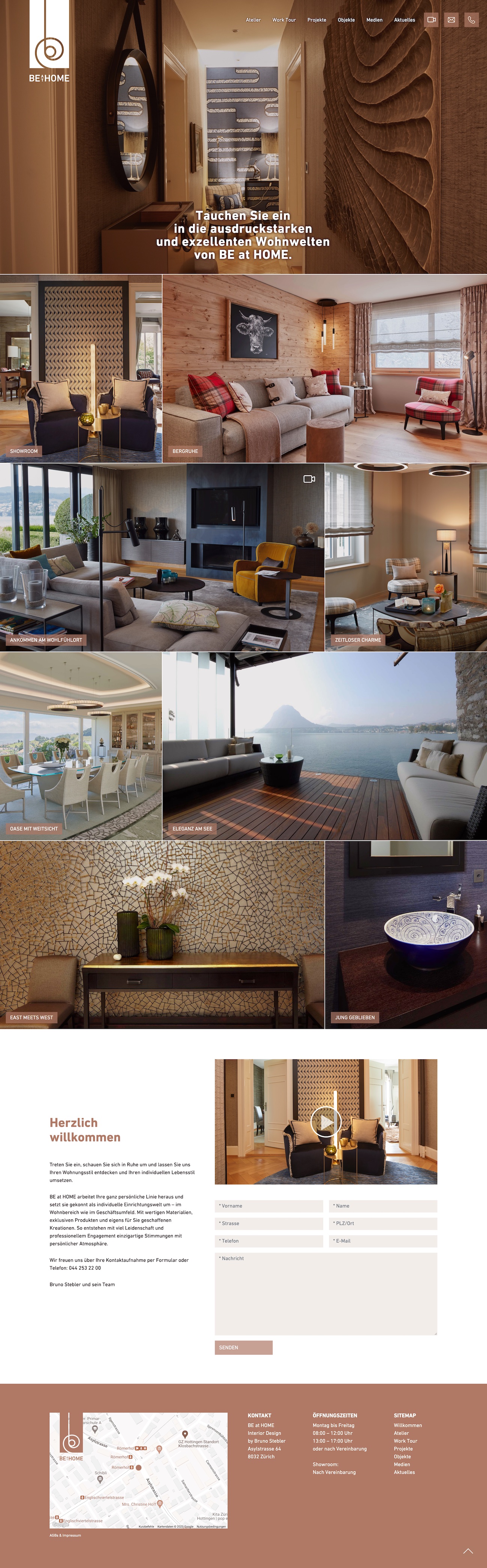

How it works
Three steps. You can stop after any of them.
What people search for
One week. We find out what your customers actually type, what the other
results in that search look like, and where your current site loses them.
You get that written down, and it is often enough to fix half the problem
yourself.
Design and build
Three to six weeks for most sites. Structure first, then words, then design,
in that order, because a beautiful layout wrapped around vague copy is
the most common expensive mistake in this trade.
Watch it and adjust
Launch is the start of the measurement, not the end of the project. Which
searches bring people, which pages lose them, what to write next. Without
this step the first two are a guess that nobody ever checked.
Who this is for
This is for you if
- Customers tell you they could not find you online.
- Your site was built years ago and nobody has touched it since.
- You are in Paraguay and your competitors come up first in Spanish searches.
- You want to know what the site is doing, not just how it looks.
Probably not, if
- You want a guaranteed first position. Nobody can sell you that honestly.
- The site has to launch next week and the content does not exist yet.
Questions we get asked
- Can you guarantee we rank first on Google?
- No, and anybody who does is either guessing or picking a search term nobody types. What can be done reliably is the part that is under your control: a site that is fast, readable by a crawler, honest about what you do, and better than the other results for the searches your customers actually make.
- How long before it shows up in search results?
- Indexing takes days. Ranking for anything competitive takes months, and for a local search in a specific trade it is often faster than people expect. Anyone promising results in two weeks is describing paid ads, which are a different thing and worth buying deliberately.
- Do we need a new brand as well as a new site?
- Usually not. Most companies that think they need a rebrand need the existing one applied consistently, which is cheaper and works faster. A real rebrand is worth it when the business has genuinely changed into something the old name and look no longer describe.
- Who writes the content?
- We draft it, you correct it, and the corrections are the valuable part because that is where the specifics come from. A page written entirely by someone outside your business reads like it, and both your customers and Google are better at noticing that than they used to be.
- Can we edit it ourselves afterwards?
- Yes, and this is worth deciding early rather than late. If your team will genuinely maintain it, we build on something they can use. If in practice nobody will ever log in, a simpler and faster site that we update when you call is the cheaper honest answer.
- We already have a site. Does it need replacing?
- Often not. A site that is slow, unreadable on a phone or unclear in its first five seconds can usually be fixed for a fraction of a rebuild. We will tell you which of the two you are looking at before quoting for the larger one.
Search for what you sell. Are you on the first page?
Call the office nearest you. We’ll tell you what is standing between you and that position, and whether it is worth the money. No sales sequence.